
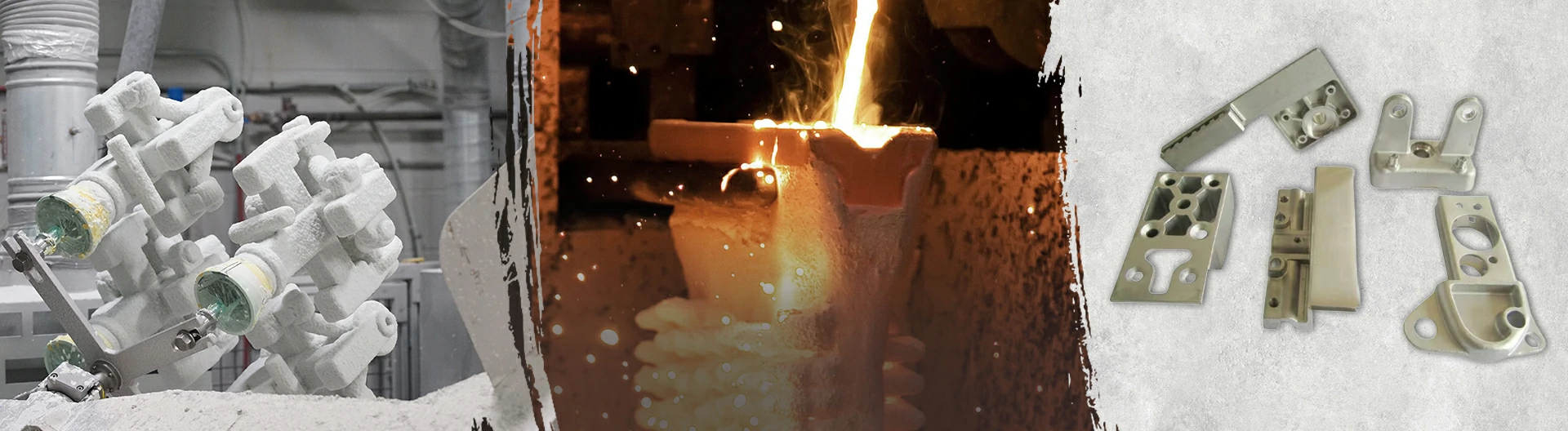
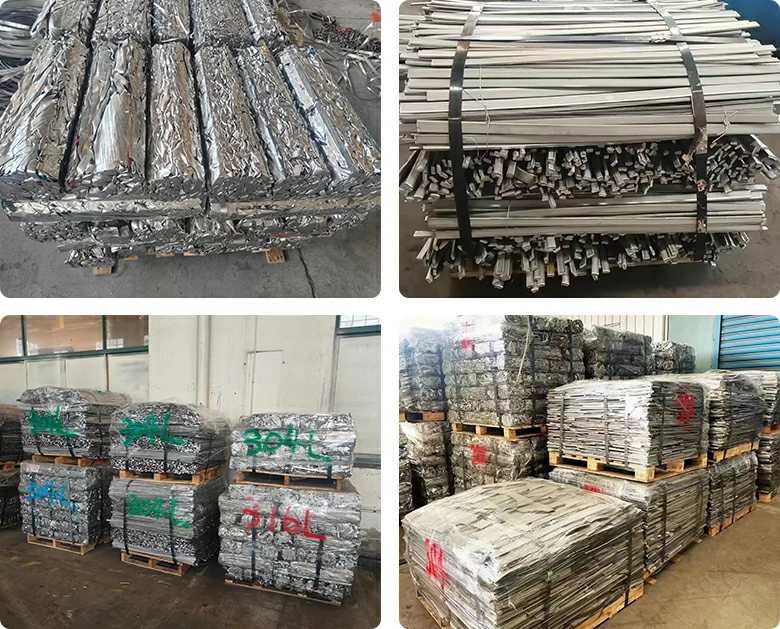
Most of the raw steel used in investment casting and smelting is the scrap produced after stamping, laser cutting or other production processes. These raw materials are melted at high temperatures and turned into molten steel, which is poured into shell molds to produce casting blanks.
In the case of high-temperature melting, it is necessary to carry out a spectral test in each furnace and add other required alloy materials according to the test results.
In this process, the quality of the raw materials will directly affect the proportion of alloying materials to be added. And the level of impurities in the raw materials will also directly affect whether the material composition of the casting blank is qualified or whether there are defects.
Our foundry has been cooperating with the most powerful raw material suppliers in China for a long time. Ensure the stability of the material composition of the required raw materials and low impurity content.
|
Austenitic Stainless Steel |
304,304L,316,316L,309,310,etc. |
|
Martensitic stainless steel |
410,416,420,430,etc. |
|
Duplex Stainless Steel |
2205,2507,1.4462,1.4464,etc. |
|
Precipitation hardening stainless steel |
17-4PH,1.4112,1.4116,1.4120,etc. |
|
Carbon Steel |
1020,1030,1040, GS38,GS45,etc. |
|
Heat-resistant stainless steel |
1.4828,1.4848,1.4855,etc. |
|
Alloy Steel |
4310,8620, 42CrMo4,16MnCr5,etc. |
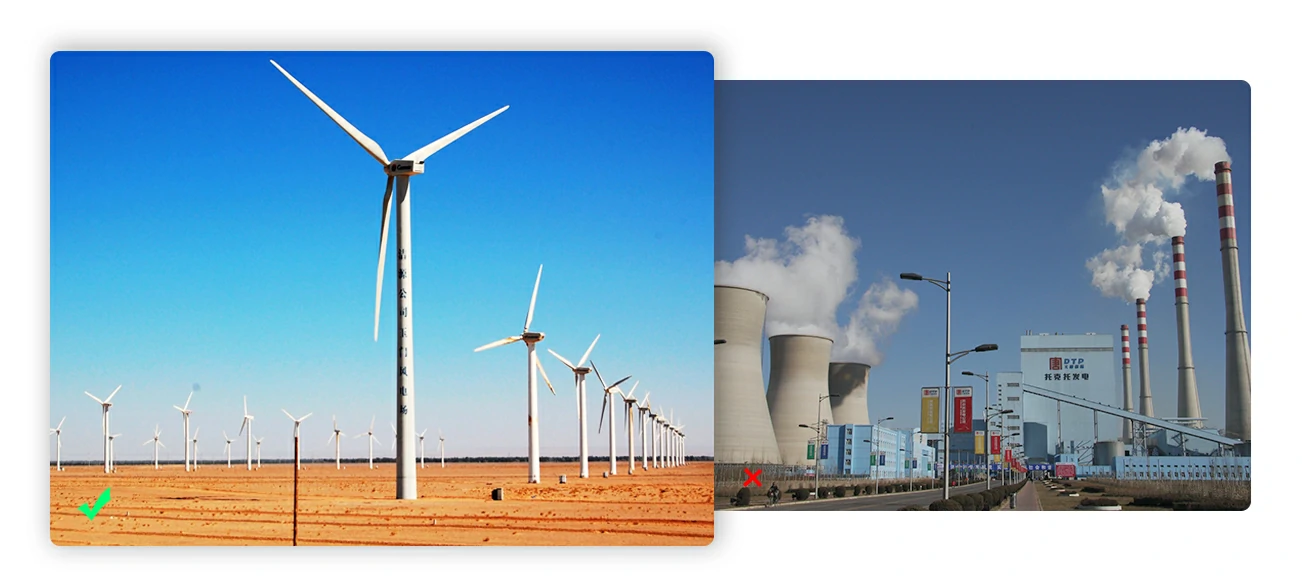
The production process of investment casting requires a large amount of power resources, and the operation of all machinery and equipment depends on electric drive. At present, most of China's foundries still rely on thermal power generation as the main source of electricity. Although many thermal power plants are equipped with advanced environmental protection and energy-saving equipment, they still inevitably produce some degree of air pollution, water pollution and greenhouse gas emissions.
As a clean energy source, wind power can effectively alleviate the above environmental problems. Highco Metal`s foundry is located in an area of eastern China with abundant wind resources, taking full advantage of the region's superior natural conditions. The factory uses all the electricity provided by wind power generation in the production process, and actively practices the concept of energy conservation and emission reduction while ensuring the production needs of products, and fulfills the social responsibility of the enterprise.
The Carbon Border Adjustment Mechanism (CBAM) of the European Union is an important policy introduced by the EU to address climate change and promote global carbon emissions reduction. Its aim is to prevent carbon leakage and ensure a fair competitive environment in terms of carbon - emission costs between imported products and EU domestic products.
Investment casting typically involves multiple stages, including wax pattern making, shell preparation, melting, and pouring. Each stage generates a certain amount of carbon emissions.
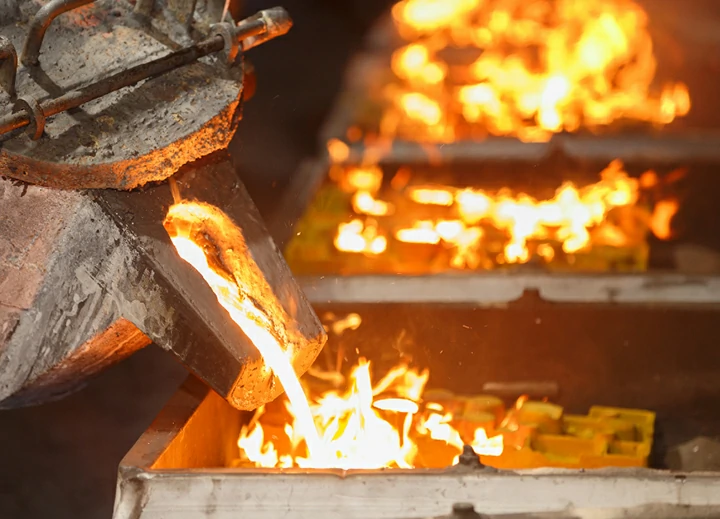
Melting metals is one of the stages with relatively high carbon emissions in investment casting. High - temperature melting requires a large amount of energy, and the insulation and heating equipment used in the pouring process also increase energy consumption and carbon emissions.
To meet the requirements of the EU's Carbon Border Adjustment Mechanism (CBAM), investment casting enterprises can take measures in multiple aspects, such as carbon emission accounting and management, production operation optimization, supply chain collaboration, technological innovation, and talent development: