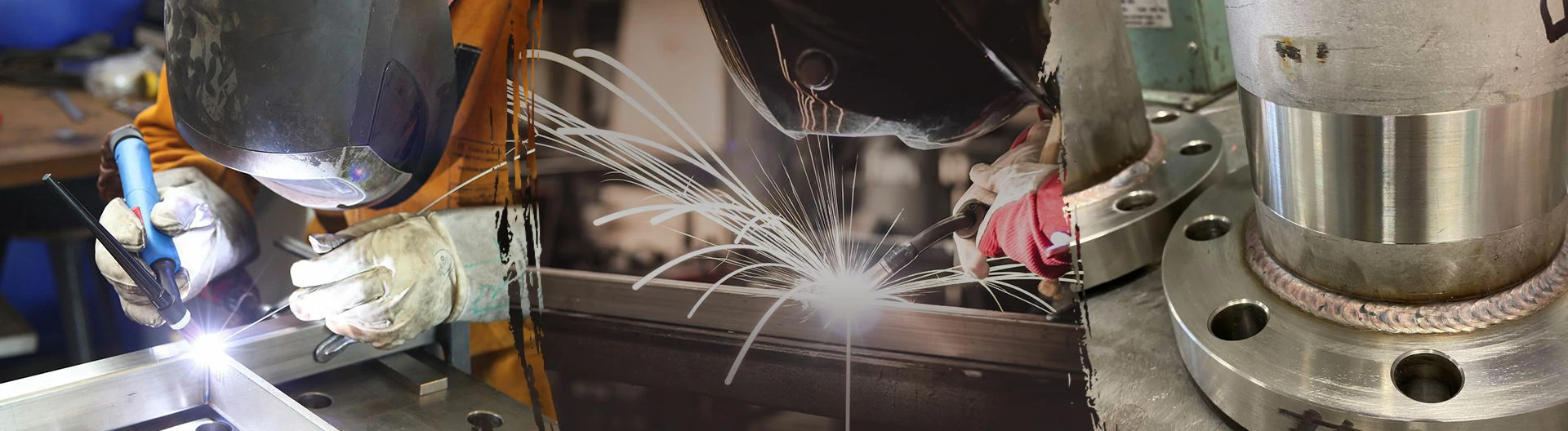
In our company, the control of welding quality runs through the entire production process, and we are committed to providing customers with flawless welding products and services.
We have established a rigorous and comprehensive full-process quality monitoring system. From the meticulous preparation before welding, to the precise execution during the welding process, and then to the strict inspection after welding, every link is closely interlocked, safeguarding the welding quality.
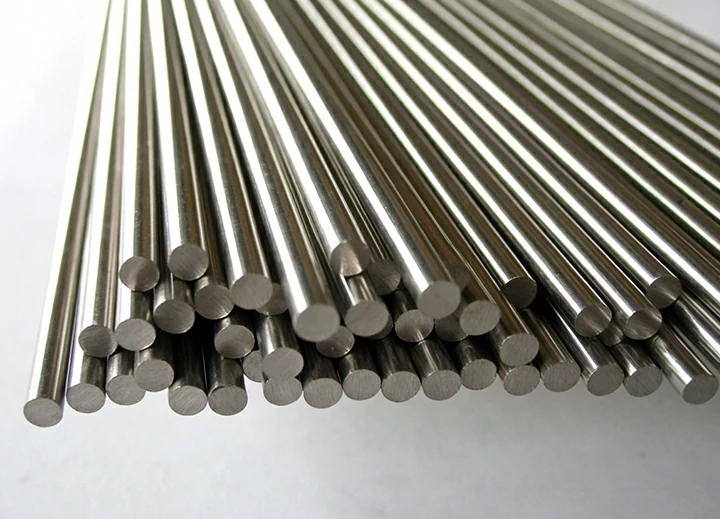
The quality of welding materials is the foundation of welding quality. We conduct strict screening of welding materials and establish long-term cooperative relationships with high-quality suppliers in the industry to ensure that each batch of welding materials meets high standards. Meanwhile, according to the characteristics of different base metals, such as chemical composition, mechanical properties, and physical properties, professional welding engineers carry out precise matching.
For example, when welding stainless steel, we fully consider its alloy composition and corrosion resistance requirements, and select electrodes or wires with a specific alloy ratio to ensure the welding quality from the source.
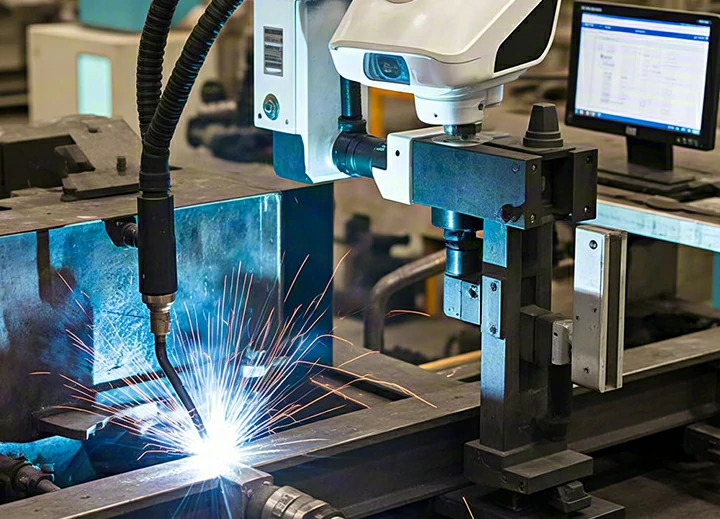
During the welding process, we use advanced technical means to monitor the welding parameters in real time. By installing high-precision sensors, we continuously collect and analyze key parameters such as welding current, voltage, and welding speed. Once the parameters fluctuate and deviate from the preset range, the system will immediately issue an alarm, and the welding operators can make timely adjustments.
At the same time, welding engineers will conduct regular inspections to ensure that the welding process is carried out strictly in accordance with the established process, and promptly solve any possible problems to ensure the stability and consistency of the welding process.
After the welding is completed, we use a variety of advanced inspection methods to conduct a comprehensive inspection of the welded products. In terms of non-destructive testing, we are equipped with X-ray flaw detectors, ultrasonic flaw detectors, magnetic particle flaw detectors, and penetrant testing equipment, etc., and accurately detect the internal and surface defects of the welded joints according to relevant standards. Physical and chemical performance testing is also essential.
Through tensile tests, bending tests, impact tests, etc., we evaluate the mechanical properties of the welded joints to ensure that they meet the design requirements. Each inspection follows strict standards and procedures, and only products that pass all inspections can enter the next process.
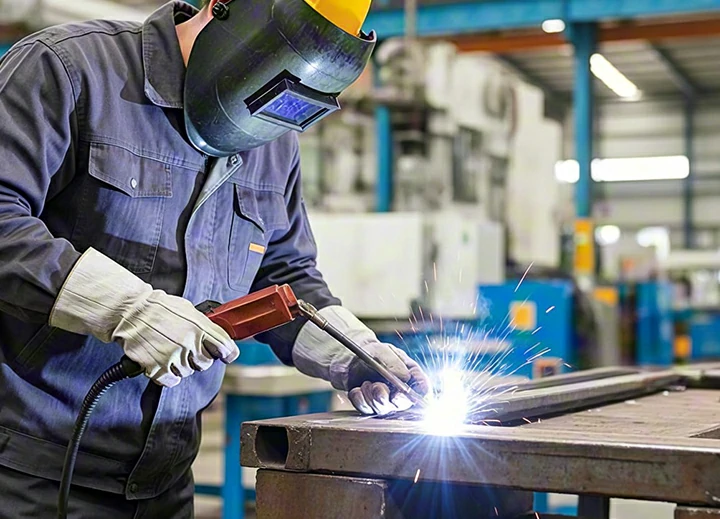
We have a team of experienced and highly professional welding engineers. They all possess industry-authoritative certification qualification certificates and have accumulated years of practical experience in the field of welding.
From the design of complex welding processes, to the solution of on-site technical problems, and then to the analysis and improvement of quality issues, welding engineers rely on their profound professional knowledge and rich practical experience to provide solid technical support for the entire welding quality control process.
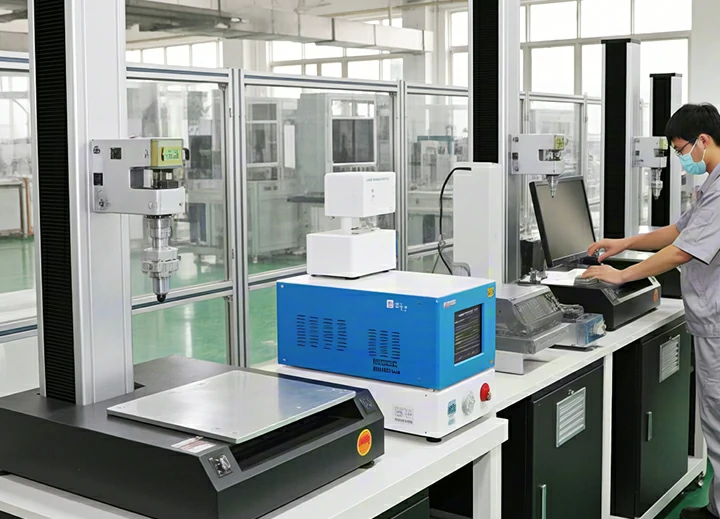
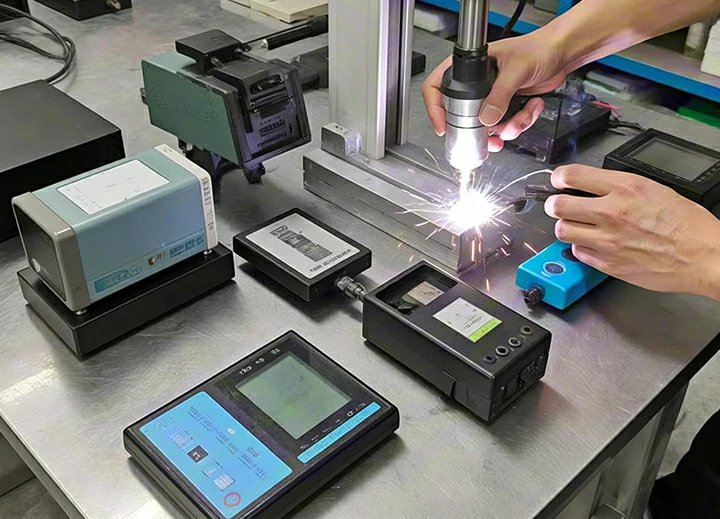
In order to achieve high-precision quality testing, we have introduced a series of advanced testing equipment. These devices not only have high sensitivity and accuracy but also can realize automated testing and data analysis.
For example, the advanced spectrometer can quickly and accurately analyze the chemical composition of welding materials to ensure that the material quality meets the requirements; the digital mechanical property testing equipment can accurately measure various mechanical indexes of the welded joints, providing reliable data basis for the product quality. The combination of advanced testing equipment and professional testing personnel has greatly enhanced our quality testing ability and level.